Breast cancer treatment has advanced significantly over the past decades, offering patients more effective, personalized, and less invasive options than ever before. For healthcare providers, sharing clear and accurate information is essential—not only to support patients but also to build trust and improve health literacy. This guide provides an SEO-friendly overview of modern breast cancer treatment approaches, tailored for a healthcare website audience.
Breast cancer treatment depends on several factors, including cancer type, stage, tumor biology, and the patient's overall health and preferences. Most treatment plans combine more than one approach to achieve the best possible outcome.
A multidisciplinary care team—often involving oncologists, surgeons, radiologists, and nurses—works together to design an individualized treatment strategy, following evidence-based clinical guidelines from organizations such as the American Cancer Society and World Health Organization.
Surgery is often the first-line treatment for early-stage breast cancer. Common surgical options include:
Advances in surgical techniques now allow for better cosmetic outcomes and faster recovery.
Radiation therapy uses high-energy beams to destroy remaining cancer cells after surgery. It significantly reduces the risk of recurrence, especially after breast-conserving surgery.
Chemotherapy involves systemic drugs that target rapidly dividing cancer cells. It may be given:
Chemotherapy is especially important for aggressive or advanced breast cancers.
For hormone receptor–positive breast cancer, hormone therapy blocks or lowers estrogen levels in the body. This approach can reduce recurrence and improve long-term survival.
Targeted therapies focus on specific proteins or genetic features of cancer cells, improving effectiveness while minimizing damage to healthy tissue. These treatments represent a major breakthrough in precision oncology.
Immunotherapy helps the body's immune system recognize and attack cancer cells. While not suitable for all breast cancers, it has shown promise in certain subtypes, particularly advanced cases.
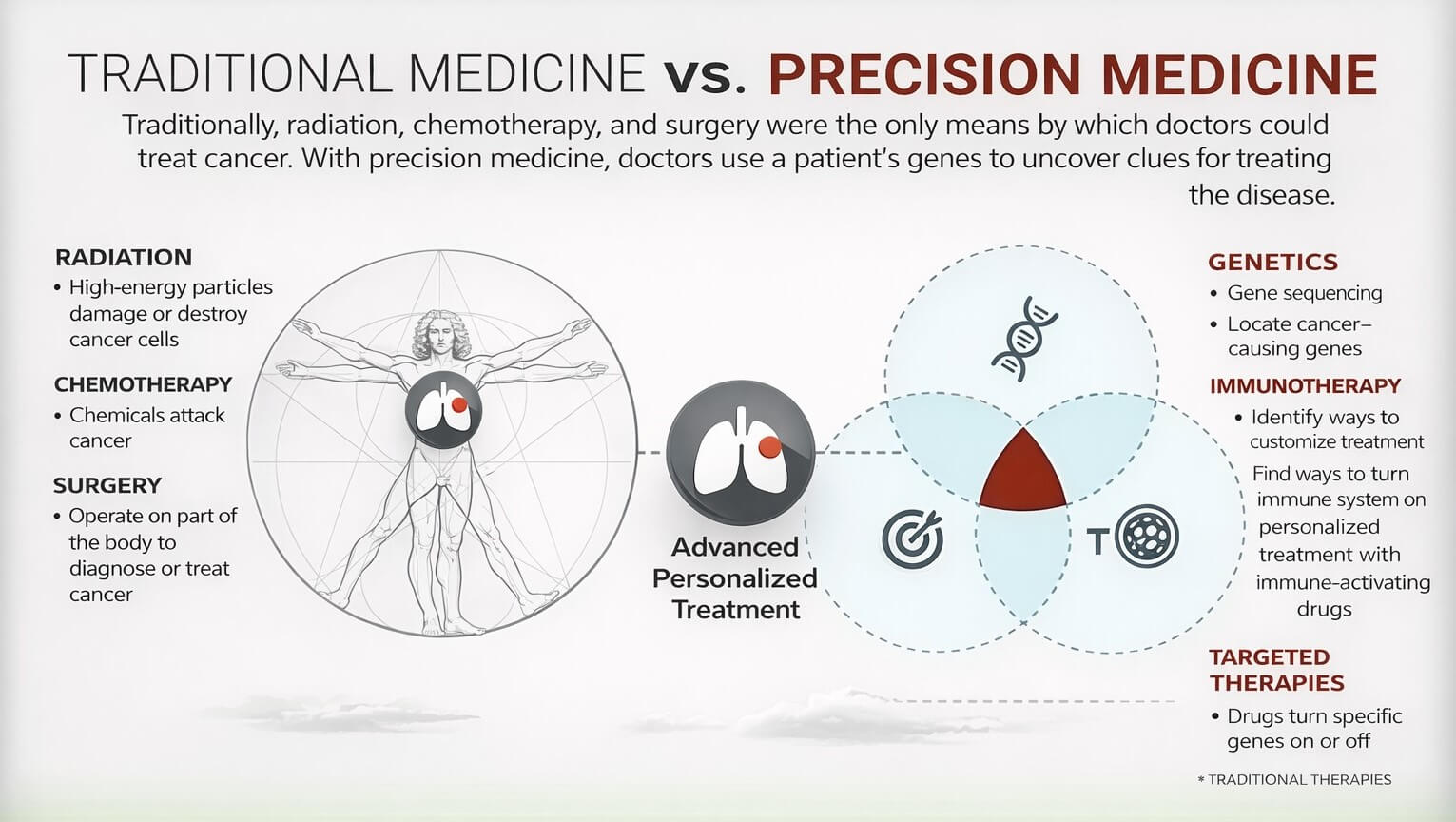
Modern breast cancer care emphasizes personalized medicine. Tumor profiling, genetic testing, and biomarkers help clinicians predict which treatments will be most effective, reducing unnecessary side effects and improving outcomes.
While treatments are increasingly targeted, side effects can still occur. Common concerns include fatigue, nausea, hair loss, and emotional distress. Supportive care services—such as pain management, nutrition counseling, and mental health support—play a vital role in maintaining quality of life during and after treatment.
Follow-up care is essential after completing treatment. Regular screenings, lifestyle modifications, and ongoing communication with healthcare providers help detect recurrence early and support long-term wellness. Survivorship care plans empower patients to take an active role in their recovery.