Advanced surgical management for cancers of the digestive system with minimally invasive expertise
Specialized surgical procedures
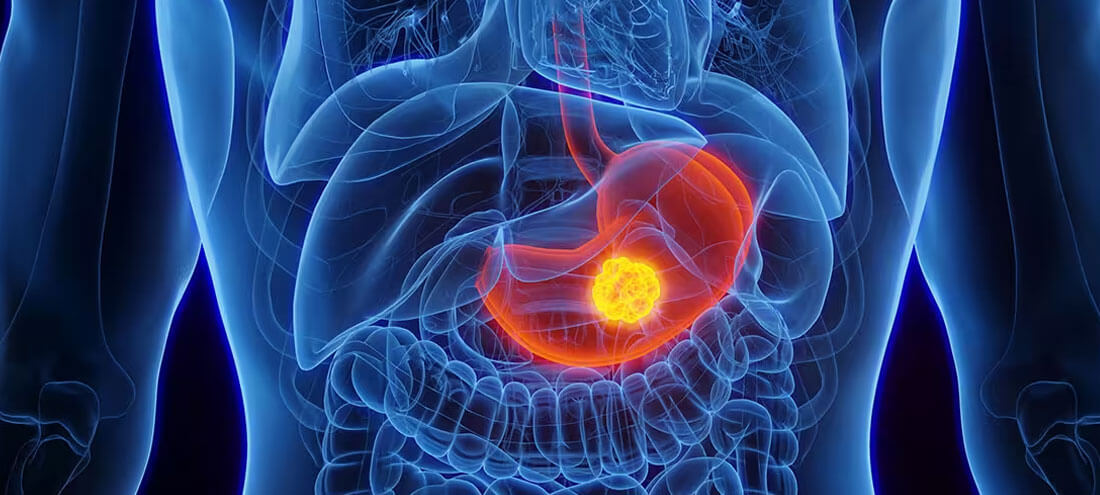
Gastrointestinal cancers encompass malignancies affecting the digestive system, including the esophagus, stomach, liver, pancreas, gallbladder, bile ducts, small intestine, colon, and rectum. These cancers present unique challenges due to the complex anatomy and critical functions of the digestive organs. Specialized surgical oncology expertise is essential for optimal outcomes, as GI surgeries often involve intricate reconstructions and preservation of digestive function.
The management of GI cancers requires a comprehensive understanding of digestive physiology, nutritional support, and the technical nuances of each organ system. From esophageal cancers that affect swallowing to pancreatic cancers requiring complex reconstruction, each malignancy demands tailored surgical approaches. Early detection and specialized intervention significantly impact survival and quality of life outcomes.
Each case is managed through close coordination with gastroenterologists, medical oncologists, radiation oncologists, radiologists, pathologists, and nutritionists to ensure comprehensive, evidence-based, and well-coordinated care. Our multidisciplinary approach integrates the latest surgical techniques with personalized treatment planning based on tumor biology, stage, and individual patient factors.
Advanced surgical techniques for complex gastrointestinal cancers
Advanced laparoscopic and robotic techniques for the surgical treatment of colon and rectal cancers. These procedures involve small incisions, specialized instruments, and high-definition cameras to remove cancerous sections of the bowel with precision. Benefits include reduced postoperative pain, shorter hospital stays (typically 3–5 days), faster return to normal activities, and improved cosmetic outcomes. We utilize enhanced recovery protocols that emphasize early mobilization and optimized pain management.
Surgical removal of part or all of the esophagus for esophageal cancer, performed using either transhiatal (through the abdomen and neck) or transthoracic (through the chest) approaches. The stomach is reconstructed into a gastric tube to restore digestive continuity. This complex procedure requires meticulous surgical technique to ensure adequate cancer removal while minimizing complications. Enhanced recovery pathways and specialized nutritional support are used to optimize outcomes.
Surgical removal of part or all of the stomach for gastric cancer, ranging from partial to total gastrectomy depending on tumor location. We perform standardized D2 lymph node dissections as per international guidelines to ensure accurate staging and reduce recurrence risk. Reconstruction options include Billroth I, Billroth II, or Roux-en-Y gastrojejunostomy, tailored to each patient.
Surgical resection of liver tissue for primary liver cancers or metastatic cancers. Procedures range from wedge resections and segmentectomies to major lobectomies. Advanced imaging and liver volumetry are used preoperatively to ensure safe surgery. Intraoperative ultrasound helps achieve precise tumor removal while preserving vital structures.
Complex surgery for cancers of the pancreatic head, bile duct, duodenum, or ampulla. This involves removal of the pancreatic head, duodenum, gallbladder, and bile duct, followed by reconstruction of digestive continuity. The procedure requires high surgical expertise to minimize complications and ensure optimal outcomes.
Our comprehensive approach begins with detailed evaluation including endoscopy, advanced imaging (CT, MRI, PET), and multidisciplinary tumor board review. We employ Enhanced Recovery After Surgery (ERAS) protocols that optimize patient preparation, intraoperative management, and postoperative care to accelerate recovery and reduce complications. These protocols emphasize preoperative counseling, minimized fasting, optimized pain management, and early mobilization.
Nutritional optimization is a cornerstone of our GI cancer management. We work closely with clinical nutritionists to address malnutrition, which is common in GI cancer patients. Preoperative nutritional support, including immunonutrition when indicated, helps optimize surgical outcomes. Postoperatively, we implement early enteral feeding protocols to support healing and recovery.
We prioritize minimally invasive approaches (laparoscopic and robotic surgery) whenever feasible, as these techniques offer reduced surgical trauma, less postoperative pain, shorter hospital stays, and faster return to normal function compared to traditional open surgery. Our expertise in advanced minimally invasive GI surgery allows us to apply these techniques even for complex procedures like pancreaticoduodenectomy and major liver resections.
Close coordination with gastroenterology ensures seamless care from diagnosis through surveillance. Gastroenterologists play a crucial role in diagnostic endoscopy, therapeutic interventions for obstruction or bleeding, and long-term surveillance for recurrence or new lesions. Throughout your treatment journey, our multidisciplinary team ensures comprehensive, coordinated care across all specialties.
Comprehensive Evaluation
ERAS Protocols
Minimally Invasive Surgery
Nutritional Support
Specialized expertise in complex gastrointestinal and HPB surgeries
Dr. Gupta completed specialized fellowship training in Gastrointestinal and Hepatopancreaticobiliary (GI & HPB) Surgery at Tata Memorial Hospital, Mumbai, one of India's premier cancer centers. This advanced training ensures expertise in complex GI cancer surgeries beyond general surgical oncology.
We specialize in laparoscopic and robotic GI cancer surgeries, offering smaller incisions, reduced blood loss, less postoperative pain, and faster recovery compared to traditional open surgery—without compromising oncological outcomes.
Our team has extensive experience in hepatopancreaticobiliary (HPB) procedures including major liver resections, complex pancreatic surgeries, and biliary reconstructions. These technically demanding procedures require specialized expertise and high-volume experience.
Dr. Gupta received advanced training at Nippon Medical School Chiba Hokusoh Hospital, Japan, learning precision surgical techniques and meticulous lymph node dissection methods from global leaders in GI surgical oncology.
Our specialized gastrointestinal oncology team is here to provide expert care with advanced minimally invasive techniques