Advanced surgical management for lung, esophageal, and mediastinal cancers with focus on lung preservation
Specialized surgical procedures
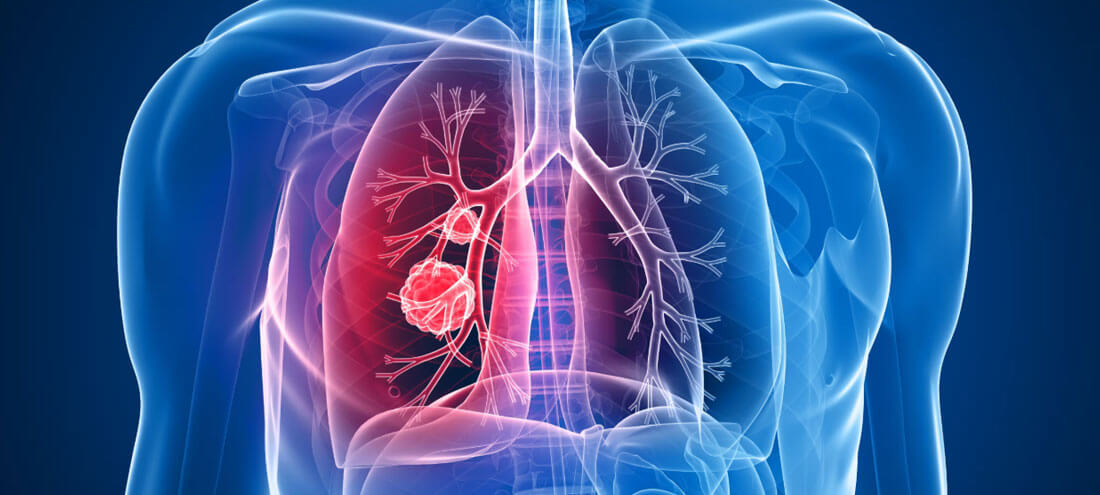
Thoracic cancers encompass malignancies affecting organs within the chest cavity, primarily lung cancer (non-small cell and small cell), esophageal cancer, mesothelioma, and various mediastinal tumors. These cancers present unique challenges due to the critical functions of thoracic organs and the complex anatomy of the chest. Our surgical approach emphasizes not only complete cancer removal but also preservation of lung function and quality of life whenever possible. Early detection and specialized surgical intervention are crucial for optimal outcomes in thoracic malignancies.
Lung preservation is a central principle in modern thoracic oncology surgery. With advancements in minimally invasive techniques and improved understanding of lung cancer biology, we can now offer lung-sparing procedures like anatomical segmentectomies for appropriately selected patients. This approach is particularly important for patients with limited pulmonary reserve, multiple lung nodules, or those at increased risk for developing additional lung cancers. Our goal is to balance oncological radicality with functional preservation to optimize both survival and quality of life.
Each thoracic cancer case is managed through close coordination with pulmonologists, medical oncologists, radiation oncologists, pathologists, radiologists, and thoracic anesthesiologists to ensure comprehensive, evidence-based, and well-coordinated care. Our multidisciplinary approach integrates the latest surgical techniques with personalized treatment planning based on tumor characteristics, stage, molecular profiling, and individual patient factors including pulmonary function and overall health status.
Advanced surgical techniques for chest cancers with focus on minimally invasive approaches and lung preservation
Minimally invasive surgery performed through small incisions using a camera and specialized instruments. VATS avoids rib spreading, resulting in less pain, shorter hospital stay, faster recovery, and better cosmetic outcomes. We perform wedge resections, segmentectomies, lobectomies, and lymph node dissections with a strong focus on lung preservation.
Advanced robotic platform offering 3D visualization and superior precision for complex thoracic procedures. Ideal for intricate dissections near vital structures, it enables reduced blood loss, minimal pain, and faster recovery compared to open surgery.
Surgical removal of tumors in the mediastinum including thymomas, germ cell tumors, and neurogenic tumors. We use minimally invasive or open approaches depending on tumor size and complexity, with focus on preserving vital structures like nerves and major vessels.
Surgery for tumors involving ribs or chest wall, followed by reconstruction using mesh and muscle flaps. Our approach restores chest stability, lung function, and cosmetic appearance while ensuring complete tumor removal.
Procedures to treat fluid accumulation around the heart (pericardial effusion), preventing cardiac complications. Minimally invasive techniques provide effective symptom relief and improved patient comfort.
Our comprehensive approach begins with detailed evaluation including pulmonary function testing, advanced imaging (CT, PET-CT, MRI), endoscopic procedures (bronchoscopy, EBUS, mediastinoscopy), and multidisciplinary tumor board review. Lung function optimization is a critical component of preoperative preparation. We implement structured pulmonary rehabilitation programs including breathing exercises, incentive spirometry training, smoking cessation support, and nutritional optimization to enhance respiratory reserve and improve surgical outcomes, particularly for patients with limited pulmonary function or comorbidities like COPD.
We implement Enhanced Recovery After Surgery (ERAS) protocols specifically designed for thoracic surgery. These evidence-based pathways include preoperative counseling and carbohydrate loading, standardized anesthesia techniques emphasizing lung-protective ventilation and thoracic epidural or paravertebral analgesia, minimally invasive surgical approaches, early chest tube removal protocols, aggressive postoperative pulmonary toilet, and early mobilization. ERAS protocols have been shown to reduce postoperative complications, shorten hospital stays, accelerate recovery, and improve patient satisfaction while maintaining oncological outcomes.
Our multidisciplinary thoracic oncology team includes thoracic surgeons, medical oncologists, radiation oncologists, pulmonologists, thoracic radiologists, pathologists, and specialized thoracic oncology nurses. This collaborative approach ensures comprehensive treatment planning that integrates surgery with neoadjuvant or adjuvant therapies, targeted therapies based on molecular profiling, immunotherapy when indicated, and participation in clinical trials. Regular multidisciplinary tumor board discussions ensure each patient receives personalized, evidence-based care.
Pulmonary rehabilitation integration begins preoperatively and continues throughout the recovery period. Our comprehensive rehabilitation program includes supervised exercise training, breathing techniques, airway clearance methods, energy conservation strategies, and education on managing respiratory symptoms. For patients undergoing major lung resection, we provide specialized rehabilitation focusing on compensatory breathing techniques and gradual return to physical activity. This integrated approach maximizes functional recovery and quality of life after thoracic surgery.
Lung Optimization
ERAS Protocols
Multidisciplinary Team
Rehabilitation Focus
Specialized expertise in thoracic oncology with focus on minimally invasive techniques and lung preservation
We specialize in advanced minimally invasive thoracic surgery techniques including Video-Assisted Thoracoscopic Surgery (VATS) and robotic-assisted procedures. These approaches offer patients significant benefits including reduced postoperative pain, shorter hospital stays, faster recovery, and better preservation of pulmonary function compared to traditional open thoracotomy, while maintaining equivalent oncological outcomes for appropriately selected cases.
Our surgical philosophy prioritizes lung preservation whenever oncologically safe. We perform anatomical segmentectomies and precision wedge resections for early-stage lung cancers and metastatic lesions, preserving maximum lung tissue and pulmonary function. This approach is particularly important for patients with limited pulmonary reserve, multiple lung nodules, or those at risk for metachronous lung cancers.
We have extensive experience in complex chest wall resection and reconstruction for locally advanced thoracic malignancies. Our multidisciplinary approach involves collaboration with plastic surgeons for flap reconstruction and prosthetic mesh placement, ensuring restoration of chest wall integrity, pulmonary mechanics, and cosmetic appearance while achieving complete tumor removal with adequate surgical margins.
Our team has specialized training and experience in thoracic surgical oncology, focusing exclusively on cancers of the chest including lung cancer, esophageal cancer, mesothelioma, and mediastinal tumors. This focused expertise ensures access to the latest surgical techniques, clinical trials, and multidisciplinary treatment protocols specific to thoracic malignancies, leading to optimized patient outcomes.
Our specialized head and neck oncology team is here to provide expert care and functional preservation throughout your treatment journey