Advanced surgical management for cancers of the digestive system with minimally invasive expertise
Specialized surgical procedures
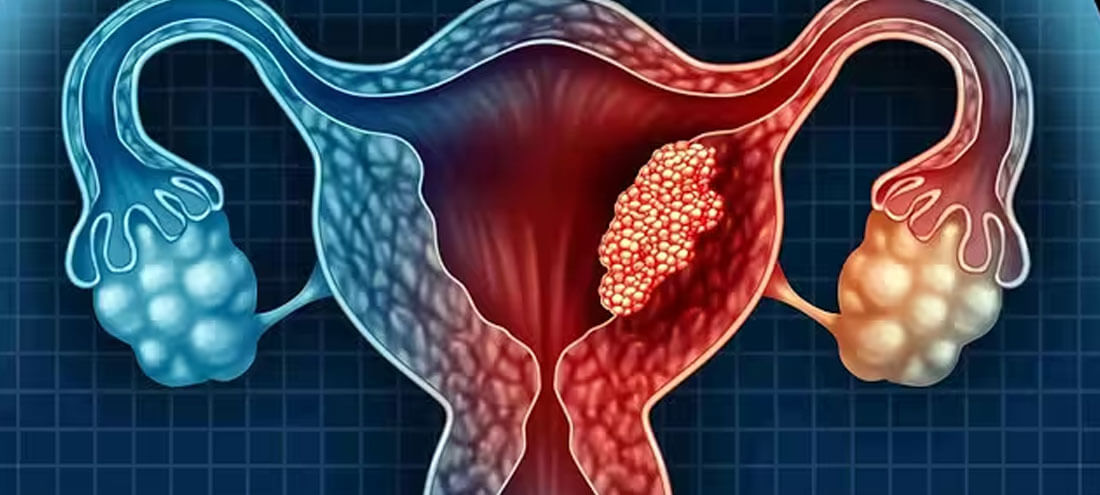
Gynecologic cancers encompass malignancies affecting the female reproductive system, including ovarian, uterine (endometrial), cervical, vaginal, and vulvar cancers. Each type presents unique challenges and requires specialized surgical approaches. Early detection and appropriate treatment are crucial, as these cancers can significantly impact reproductive health, quality of life, and survival. Our patient-centered approach emphasizes not only cancer eradication but also preservation of fertility and quality of life whenever possible.
The management of gynecologic cancers requires sensitivity to women's health issues and understanding of reproductive anatomy. From cervical cancer, which often affects younger women, to ovarian cancer, typically diagnosed at advanced stages, each malignancy demands tailored approaches. Fertility preservation is a critical consideration for premenopausal women, and we offer specialized conservative surgical options when oncologically appropriate.
Each case is managed through close coordination with gynecologic oncologists, medical oncologists, radiation oncologists, pathologists, radiologists, genetic counselors, and fertility specialists to ensure comprehensive, evidence-based, and well-coordinated care. Our multidisciplinary approach integrates the latest surgical techniques with personalized treatment planning based on tumor type, stage, molecular characteristics, and individual patient goals.
Advanced surgical techniques for women's cancers with focus on fertility preservation
Comprehensive surgical procedure for cervical cancer involving removal of the uterus, cervix, upper vagina, parametrial tissues, and pelvic lymph nodes. We use nerve-sparing techniques to preserve bladder, bowel, and sexual function, reducing postoperative complications. The procedure can be performed via open, laparoscopic, or robotic approaches, ensuring excellent oncological outcomes with better quality of life.
Extensive surgery for advanced ovarian cancer aimed at removing all visible tumor deposits to achieve optimal cytoreduction. This includes removal of ovaries, uterus, omentum, and involved tissues. Achieving minimal residual disease significantly improves response to chemotherapy and overall survival outcomes.
Conservative surgical approaches designed to preserve fertility in young women. Options include radical trachelectomy, unilateral salpingo-oophorectomy, and hormonal therapy for selected early cancers. These procedures balance oncological safety with reproductive potential through careful patient selection and follow-up.
Highly complex surgery for advanced or recurrent cancers involving removal of multiple pelvic organs with reconstruction. Performed in collaboration with multidisciplinary teams, this procedure offers a potential cure for selected patients with localized recurrent disease.
Minimally invasive technique to identify and remove the first lymph nodes draining the tumor. This reduces the need for extensive lymph node removal, lowering risks like lymphedema while maintaining accurate staging for endometrial and early cervical cancers.
Our comprehensive approach begins with detailed evaluation including endoscopy, advanced imaging (CT, MRI, PET), and multidisciplinary tumor board review. We follow Enhanced Recovery After Surgery (ERAS) protocols that optimize patient preparation, intraoperative care, and postoperative recovery. These include preoperative counseling, minimized fasting, optimized pain control, and early mobilization.
Nutritional optimization is a key part of GI cancer care. We work closely with clinical nutritionists to address malnutrition, which is common in these patients. Preoperative nutritional support, including immunonutrition when needed, helps improve surgical outcomes, while early postoperative feeding supports faster recovery.
We prioritize minimally invasive techniques such as laparoscopic and robotic surgery whenever feasible. These approaches reduce surgical trauma, postoperative pain, and hospital stay while allowing faster return to normal activities. Our expertise enables us to perform even complex GI procedures using minimally invasive methods.
Close coordination with gastroenterologists ensures seamless care from diagnosis through follow-up. From diagnostic endoscopy to long-term surveillance, our multidisciplinary team provides comprehensive and coordinated treatment at every stage.
Comprehensive Evaluation
ERAS Protocols
Minimally Invasive Surgery
Nutritional Support
Specialized expertise in women's cancer surgery with focus on quality of life
We prioritize conservative surgical approaches that preserve reproductive organs and fertility in appropriate candidates. Through careful patient selection and advanced techniques, we balance cancer safety with quality of life, offering fertility-sparing options whenever feasible.
We utilize state-of-the-art robotic systems for precise, minimally invasive gynecologic cancer surgeries. Enhanced 3D visualization and improved instrument control allow greater precision, reduced blood loss, and faster recovery.
Our team offers specialized fertility preservation options including ovarian transposition, oocyte/embryo cryopreservation, and fertility-sparing procedures, in collaboration with reproductive specialists for integrated care.
Your treatment is guided by a dedicated team including gynecologic oncologists, medical and radiation oncologists, pathologists, radiologists, genetic counselors, and fertility experts—ensuring personalized, comprehensive care.
Our specialized gynecologic oncology team is here to provide expert care with focus on fertility preservation and quality of life