Comprehensive surgical treatment for all stages of breast cancer with advanced oncoplastic techniques
Specialized surgical procedures
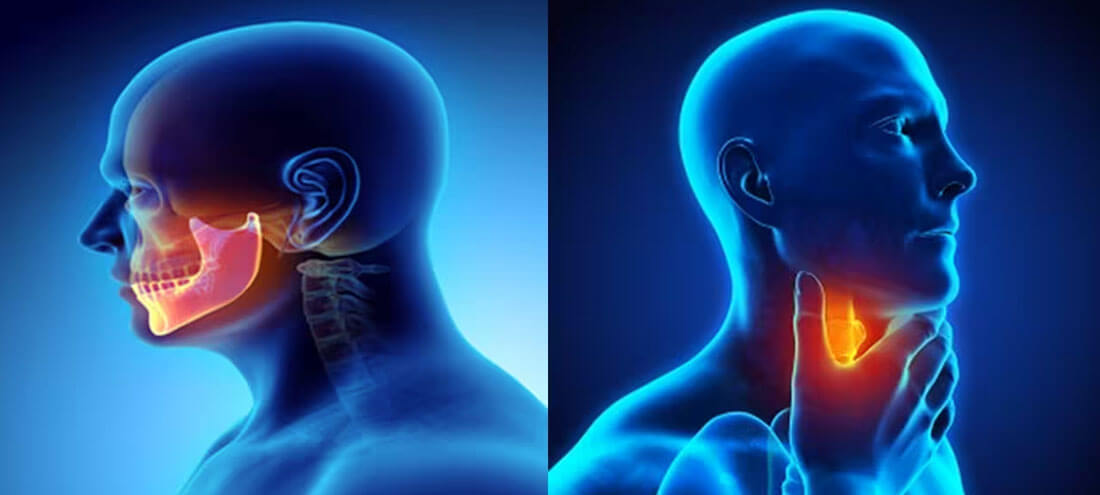
Head and neck cancers encompass a diverse group of malignancies affecting the oral cavity, throat, larynx, sinuses, nasal cavity, and salivary glands. These cancers often present with symptoms like persistent sore throat, hoarseness, difficulty swallowing, or a non-healing ulcer in the mouth. Early detection and specialized surgical intervention are crucial for optimal outcomes and functional preservation.
The complex anatomy of the head and neck region requires specialized surgical expertise. This area contains critical structures responsible for breathing, swallowing, speech, and facial expression. Our approach emphasizes not only cancer eradication but also preservation of these vital functions to maintain quality of life.
Each case is managed through close coordination with ENT specialists, radiation oncologists, medical oncologists, speech therapists, and dental oncologists to ensure comprehensive, evidence-based, and well-coordinated care. Treatment plans are tailored to the specific tumor location, stage, and individual patient needs.
Advanced surgical techniques for complex head and neck anatomy
A minimally invasive surgical approach for treating cancers of the throat and base of tongue using advanced robotic technology. This procedure allows for precise tumor removal through the natural opening of the mouth, eliminating the need for external incisions. Patients experience less pain, faster recovery, and better preservation of swallowing and speech functions compared to traditional open surgery. The 3D visualization and wristed instruments provide superior access to hard-to-reach areas.
Precision surgical technique using a carbon dioxide laser to remove vocal cord and laryngeal tumors with microscopic accuracy. This approach allows for targeted removal of cancerous tissue while preserving maximum healthy vocal cord tissue, optimizing voice outcomes. The procedure is typically performed through a laryngoscope without external incisions. It offers excellent cure rates for early laryngeal cancers and can be combined with other treatments for more advanced cases.
Surgical procedure to remove lymph nodes from the neck for staging and treatment of head and neck cancers that have spread. We offer modified radical and selective neck dissections that preserve critical structures like the spinal accessory nerve (for shoulder function), internal jugular vein, and sternocleidomastoid muscle. This approach balances comprehensive cancer removal with functional preservation, significantly reducing the risk of complications like shoulder dysfunction and neck stiffness.
Surgical removal of part or all of the thyroid gland for thyroid cancers and suspicious nodules. We perform both total and partial thyroidectomies (lobectomy) using nerve monitoring technology to protect the recurrent laryngeal nerves, which control vocal cord function. Special care is taken to identify and preserve the parathyroid glands to maintain calcium balance. Minimally invasive approaches are utilized when appropriate for better cosmetic outcomes.
Advanced reconstructive procedures using microvascular free tissue transfer to restore form and function after major head and neck cancer resections. This involves transferring tissue (skin, muscle, bone) from another part of the body to reconstruct the surgical defect. Common donor sites include the forearm, thigh, and fibula. These procedures restore swallowing, speech, and appearance, significantly improving quality of life after extensive cancer surgery.
Our comprehensive approach begins with detailed evaluation including endoscopy, imaging, and biopsy. We believe in shared decision-making, ensuring you understand your diagnosis, treatment options, and expected functional outcomes. Treatment planning is done through multidisciplinary tumor board discussions involving ENT surgeons, radiation oncologists, medical oncologists, speech therapists, and pathologists.
Surgical treatment forms the cornerstone of management for most head and neck cancers, often combined with radiation and/or chemotherapy based on tumor stage and characteristics. We prioritize organ and function preservation whenever possible, utilizing minimally invasive approaches like TORS and laser surgery.
For patients requiring extensive resection, we offer immediate reconstruction using microvascular free tissue transfer techniques. Our collaboration with speech and swallowing therapists begins preoperatively and continues throughout recovery to optimize functional outcomes.
Throughout your treatment journey, our team ensures coordinated care across all specialties, helping patients navigate complex treatment decisions, surgery, rehabilitation, and follow-up with confidence and comprehensive support.
Multidisciplinary Evaluation
Function Preservation
Surgical Precision
Rehabilitation Focus
Specialized expertise in complex head and neck anatomy
For early-stage head and neck cancers, surgery offers the highest probability of cure with excellent long-term survival rates. When performed by a specialized surgical oncologist, complete tumor removal with clear margins significantly reduces the risk of recurrence.
We utilize intraoperative nerve monitoring and meticulous surgical techniques to preserve critical nerves responsible for facial expression, shoulder function, and vocal cord movement. This ensures better functional outcomes and improved quality of life after treatment.
The head and neck region contains some of the most complex anatomy in the body. Our specialized training ensures safe and precise surgery in areas involving critical blood vessels, nerves, and airway structures.
Your care is coordinated with ENT surgeons, radiation oncologists, medical oncologists, speech therapists, and dental specialists to ensure comprehensive treatment planning and optimal functional outcomes.
Our specialized head and neck oncology team is here to provide expert care and functional preservation throughout your treatment journey