Gastrointestinal cancers affect organs of the digestive system, including the esophagus, stomach, liver, pancreas, colon, rectum, and small intestine.
Gastrointestinal cancers affect organs of the digestive system, including the esophagus, stomach, liver, pancreas, colon, rectum, and small intestine. Surgery remains one of the most effective treatments for GI cancers, especially when diagnosed at an early stage. The primary goal is complete removal of the tumor while preserving digestive function and improving quality of life.
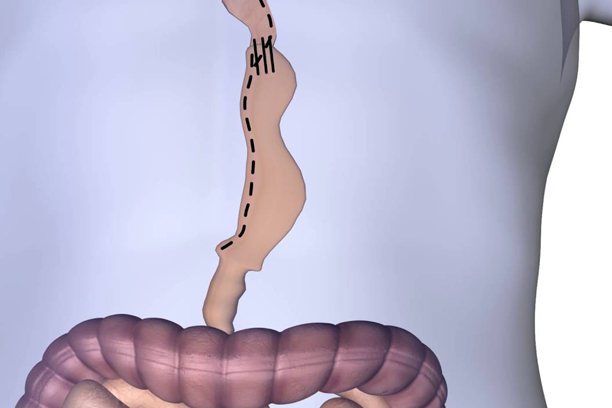
Esophagectomy is performed for cancers of the food pipe (esophagus).
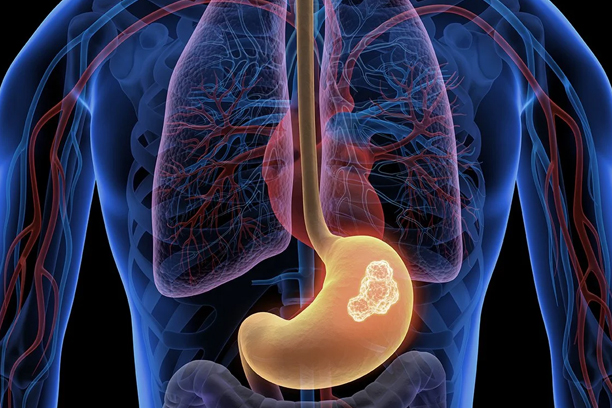
Gastrectomy is surgery performed for stomach (gastric) cancer.
Dietary modification and nutritional counseling are important during recovery.
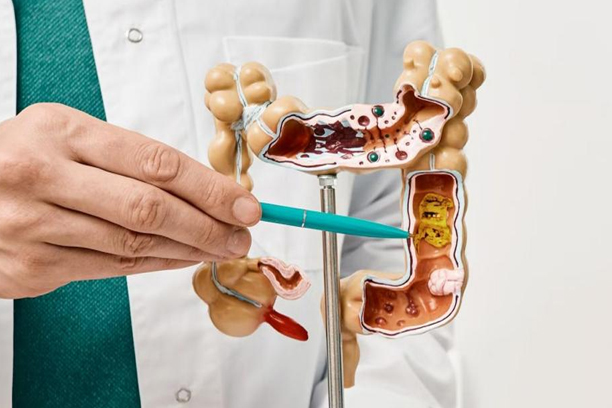
Colectomy is one of the most common surgeries for colon cancer.
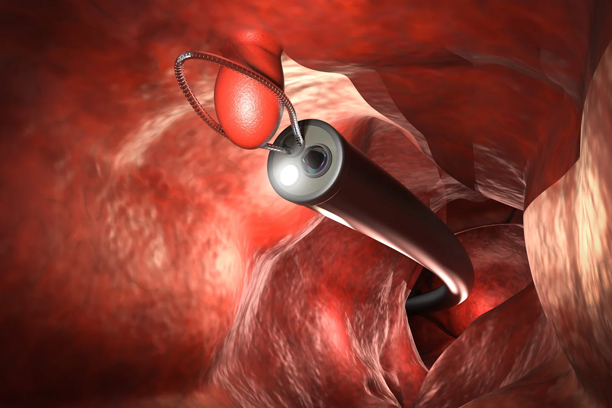
Rectal cancer surgery is carefully planned to preserve bowel control whenever possible.
Performed for cancers in the upper and middle rectum.
Performed for very low rectal cancers near the anal canal.
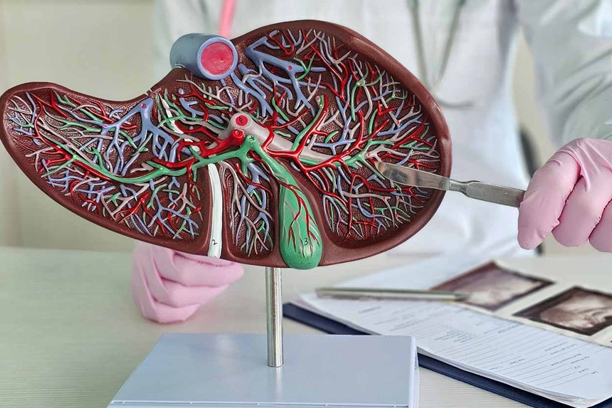
Liver resection is performed for liver cancers or cancers that have spread to the liver.
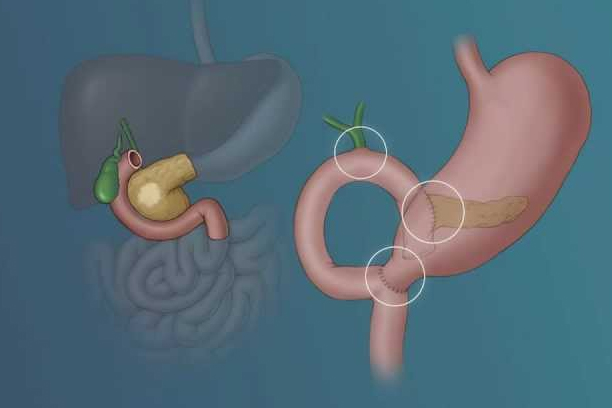
The Whipple procedure is one of the most complex GI cancer surgeries and is performed mainly for pancreatic head cancers.
Removal of:
The digestive tract is then reconstructed.
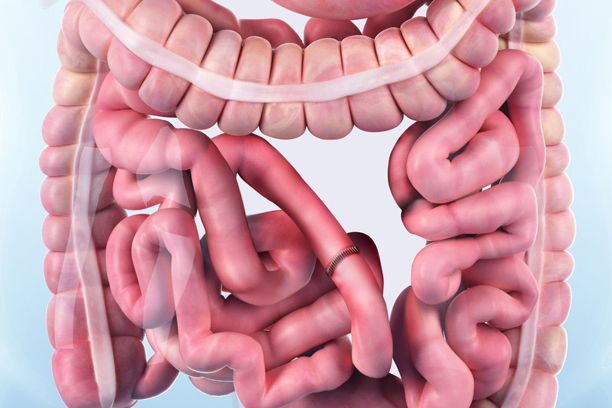
Performed for cancers involving the small intestine.

Sometimes a temporary or permanent opening is created on the abdominal wall to divert bowel contents.
Patients receive detailed education regarding stoma care and rehabilitation.
Modern gastrointestinal cancer surgery focuses on:
Advanced laparoscopic and robotic techniques now allow more precise surgery with improved outcomes in selected patients.
Successful treatment of gastrointestinal cancers often involves:
Early diagnosis and timely surgical intervention significantly improve survival and long-term outcomes in gastrointestinal cancers.