📅 Book Appointment

×

Schedule your consultation

Genitourinary Cancer

Common Genitourinary (GU) Cancer Surgeries

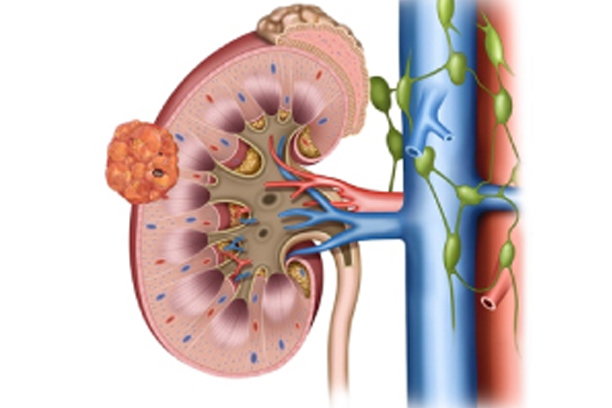
Genitourinary cancers include cancers of the kidney, bladder, prostate, testis, penis, and adrenal glands.

Common Genitourinary (GU) Cancer Surgeries

Genitourinary cancers include cancers of the kidney, bladder, prostate, testis, penis, and adrenal glands. Surgery is one of the most effective treatments for these cancers, particularly when diagnosed at an early stage. Modern surgical techniques focus on complete cancer removal while preserving urinary, sexual, and overall functional outcomes whenever possible.
Radical Nephrectomy (Kidney Cancer Surgery)

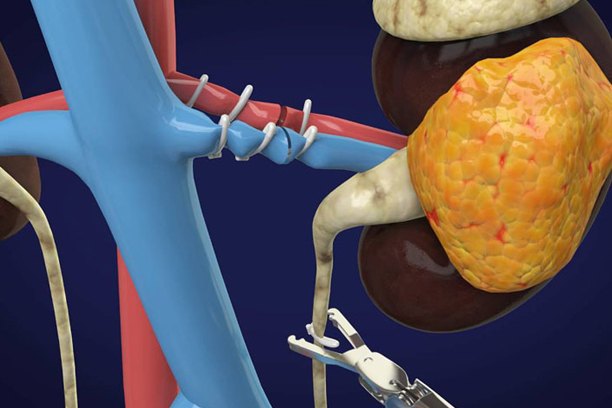
Radical nephrectomy is one of the most common surgeries performed for kidney cancer.

Procedure:

Removal of:

  • Entire kidney
  • Surrounding fatty tissue
  • Sometimes nearby lymph nodes and adrenal gland if involved
Commonly Recommended For:
  • Large kidney tumors
  • Locally advanced renal cancers
Surgical Approaches:
  • Open surgery
  • Laparoscopic nephrectomy
  • Robotic-assisted nephrectomy
Advantages of Minimally Invasive Surgery:
  • Smaller incisions
  • Less pain
  • Faster recovery
  • Reduced hospital stay

Partial Nephrectomy

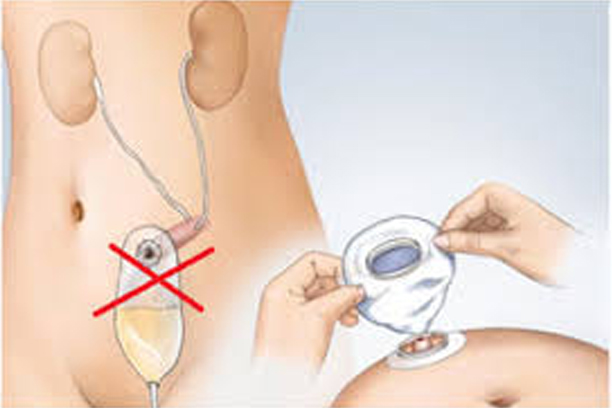
Also known as kidney-sparing surgery, partial nephrectomy removes only the tumor while preserving the healthy portion of the kidney.
Commonly Recommended For:
  • Small kidney tumors
  • Patients with reduced kidney function
  • Bilateral kidney tumors
Benefits:
  • Preserves kidney function
  • Excellent cancer control in selected patients
  • Reduced long-term risk of kidney disease
Modern Techniques:
  • Robotic partial nephrectomy is increasingly preferred for precision and faster recovery.

Radical Cystectomy (Bladder Cancer Surgery)

Radical cystectomy is the standard surgery for muscle-invasive bladder cancer.

Procedure:

Removal of:

  • Entire urinary bladder
  • Nearby lymph nodes
  • Adjacent organs if required
In Men:
  • Prostate and seminal vesicles may also be removed)
In Women:
  • Uterus, ovaries, or part of the vagina may sometimes be removed
Urinary Reconstruction:

After bladder removal, urine diversion is created using:
  • Ileal conduit (urostomy)
  • Neobladder reconstruction
  • Continent urinary reservoir
Goals:
  • Complete cancer removal
  • Restoration of urinary drainage

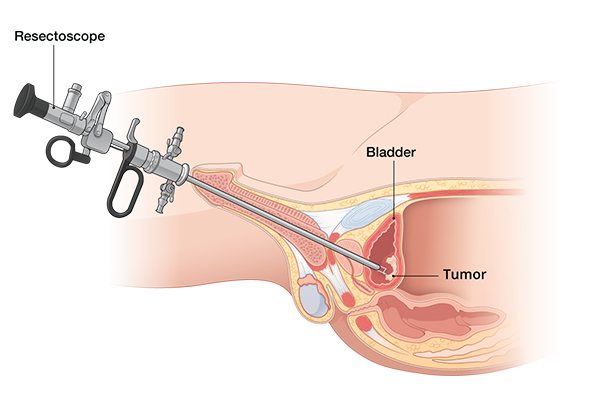
Transurethral Resection of Bladder Tumor (TURBT)

TURBT is a minimally invasive procedure used for diagnosis and treatment of early bladder cancers.
Procedure:
  • A camera and surgical instrument are passed through the urethra.
  • The bladder tumor is removed without external incisions.
Commonly Used For:
  • Non-muscle invasive bladder cancer
  • Diagnosis and staging
Advantages:
  • Minimally invasive
  • Short hospital stay
  • Faster recovery
May Be Followed By:
  • Intravesical therapy such as BCG treatment

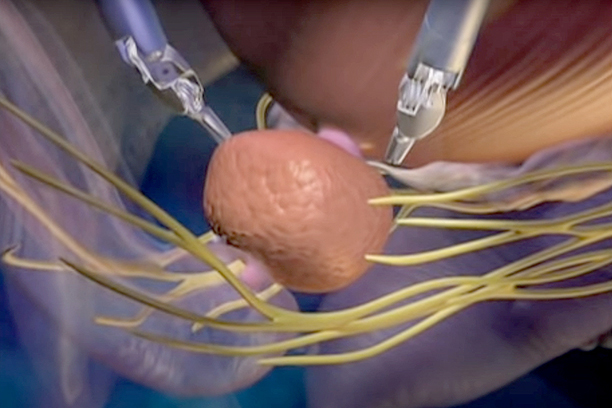
Radical Prostatectomy (Prostate Cancer Surgery)

Radical prostatectomy is commonly performed for localized prostate cancer.

Procedure:
Procedure:

  • Entire prostate gland
  • Seminal vesicles
  • Sometimes nearby lymph nodes
Surgical Approaches:
  • Open prostatectomy
  • Laparoscopic prostatectomy
  • Robotic-assisted prostatectomy
Goals:
  • Complete cancer removal
  • Preservation of urinary continence and sexual function whenever possible
Benefits of Robotic Surgery:
  • Enhanced precision
  • Less bleeding
  • Faster recovery
  • Better visualization of nerves and structures

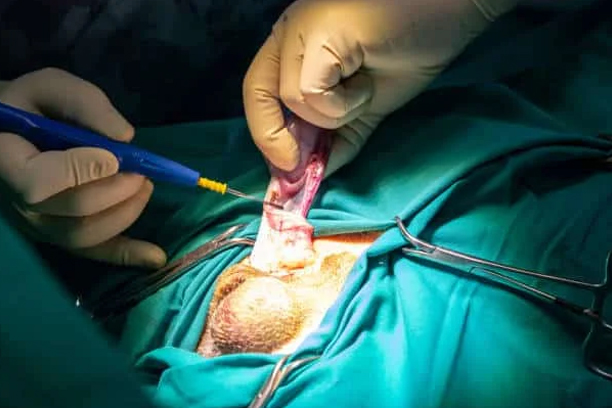
Orchiectomy (Testicular Cancer Surgery)

Orchiectomy involves removal of the affected testicle and is usually the first treatment for testicular cancer.
Procedure:
  • The testicle is removed through a small groin incision.
Purpose:
  • Diagnosis and treatment
  • Prevention of cancer spread
Commonly Recommended For:
  • Seminoma
  • Non-seminomatous germ cell tumors
Recovery:
  • Most patients recover quickly
  • Testicular prosthesis may be offered for cosmetic restoration

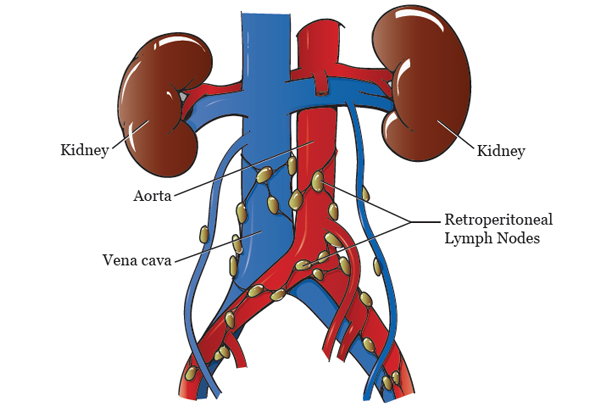
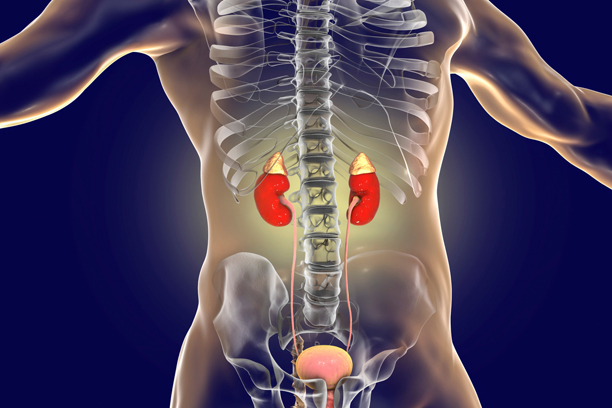
Retroperitoneal Lymph Node Dissection (RPLND)

A specialized surgery performed in selected testicular cancers.
Procedure:
  • Removal of lymph nodes from the back of the abdomen (retroperitoneum)
Indications:
  • Residual disease after chemotherapy
  • Certain non-seminomatous germ cell tumors
Goals:
  • Remove remaining cancer cells
  • Improve long-term cure rates

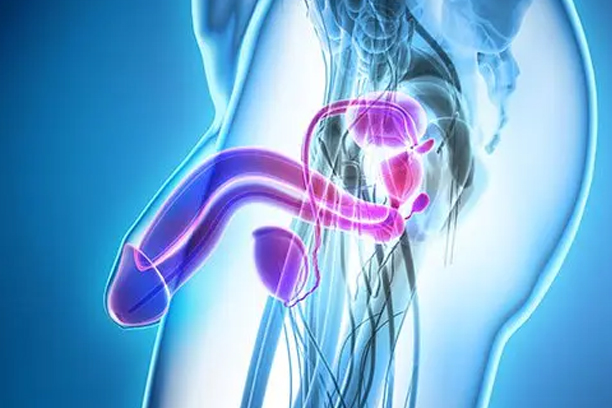
Penectomy (Penile Cancer Surgery)

Penectomy is performed for cancers of the penis.
Types:
Partial Penectomy
  • Only the cancerous portion is removed
Total Penectomy
  • Entire penis is removed in advanced disease
Goals:
  • Complete cancer clearance
  • Preservation of urinary function whenever possible
May Be Combined With:
  • Groin lymph node surgery if lymph nodes are involved

Adrenalectomy

Adrenalectomy is surgery to remove adrenal gland tumors.

Surgical Approaches:

May involve removal of:

  • Laparoscopic adrenalectomy
  • Open surgery for large or invasive tumors
Commonly Recommended For:
  • Adrenal cortical tumors
  • Functional adrenal tumors
  • Selected metastatic cancers

Lymph Node Dissection in GU Cancers

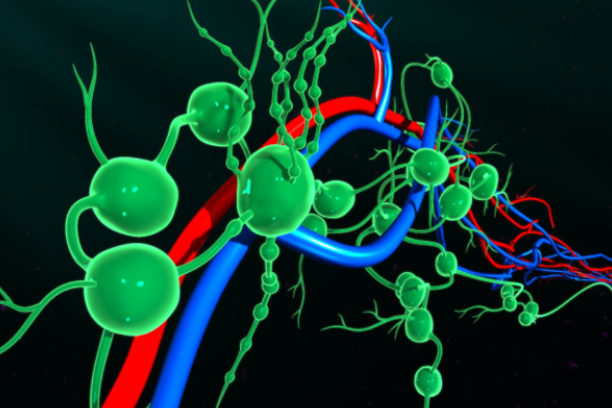
Lymph node surgery is commonly performed in bladder, prostate, penile, and testicular cancers.

Purpose:
  • Determine spread of disease
  • Improve staging accuracy
  • Guide further treatment
Common Areas:
  • Pelvic lymph nodes
  • Retroperitoneal lymph nodes
  • Inguinal lymph nodes

Modern Approach to Genitourinary Cancer Surgery

Current GU cancer surgery focuses on:

Robotic and laparoscopic approaches have significantly improved precision and postoperative recovery in many GU cancers.

Multidisciplinary Genitourinary Cancer Care

Successful treatment of GU cancers often involves:

Comprehensive gynecologic cancer treatment often involves:

Early diagnosis and timely surgical treatment greatly improve survival and long-term outcomes in genitourinary cancers.