Thoracic cancers involve organs within the chest cavity, including the lungs, esophagus, mediastinum, pleura, and chest wall.
Thoracic cancers involve organs within the chest cavity, including the lungs, esophagus, mediastinum, pleura, and chest wall. Surgery is one of the most important treatment options for thoracic cancers, particularly in early and selected locally advanced stages. Modern thoracic surgery focuses on complete cancer removal while preserving lung function and improving recovery with minimally invasive techniques whenever possible.
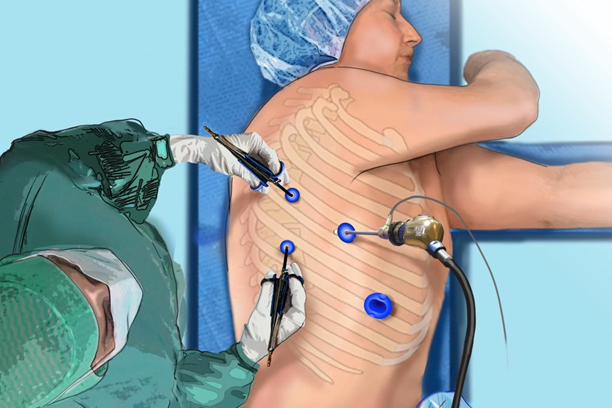
Lobectomy is the most commonly performed surgery for lung cancer.
Removal of:
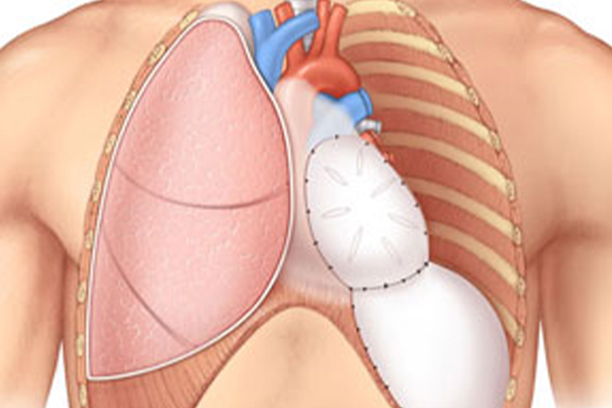
Pneumonectomy involves removal of the entire lung.
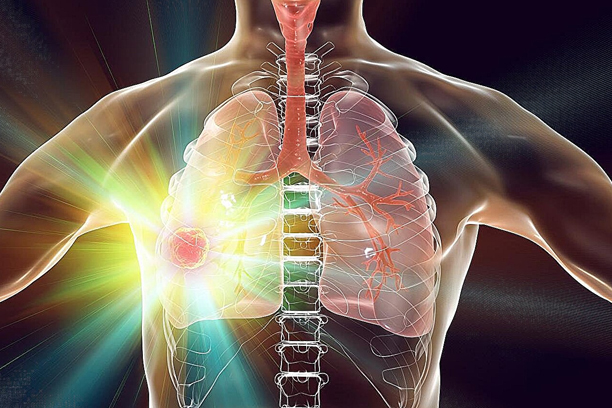
These are lung-preserving surgeries performed for selected small tumors.
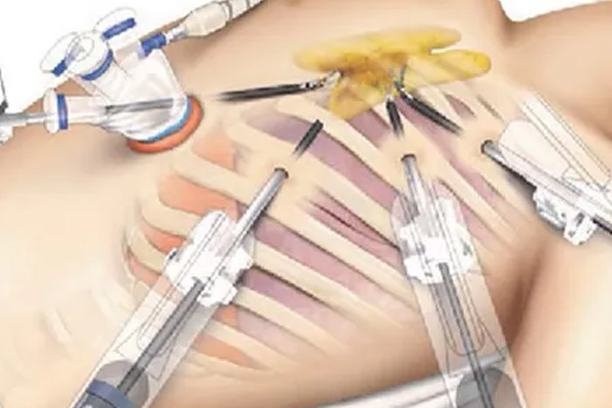
The mediastinum is the central compartment of the chest containing the thymus, lymph nodes, nerves, and major blood vessels.
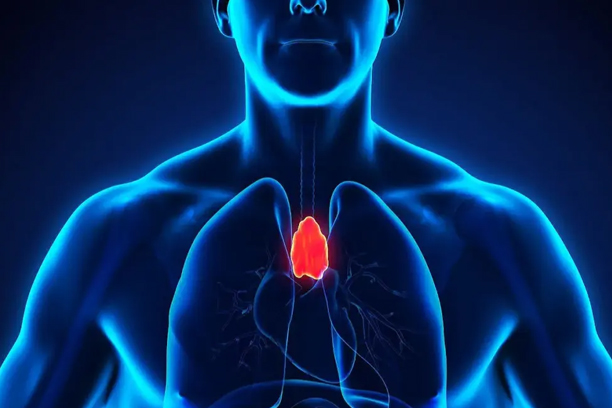
Thymectomy is removal of the thymus gland.
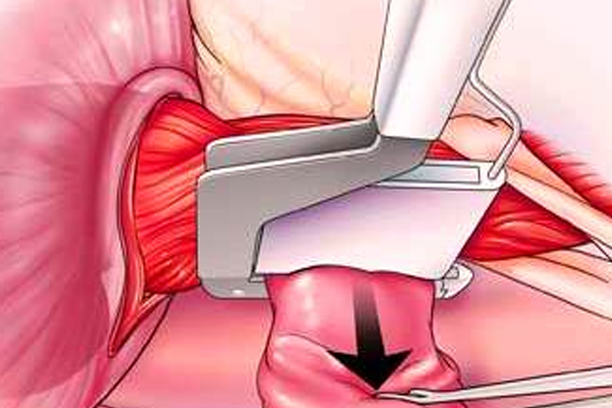
Esophagectomy is performed for cancers of the food pipe (esophagus).
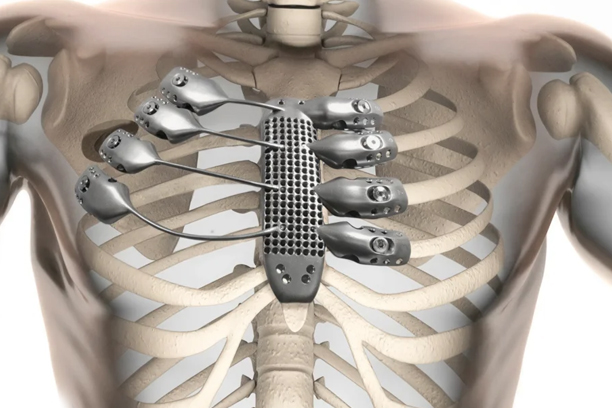
Performed for tumors involving the ribs, muscles, or soft tissues of the chest wall.
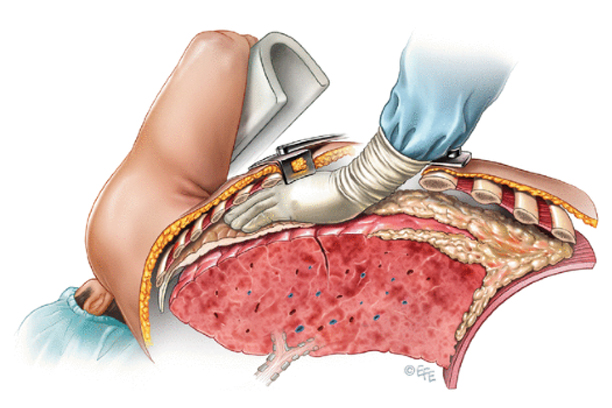
This surgery is commonly performed for selected pleural tumors such as mesothelioma.
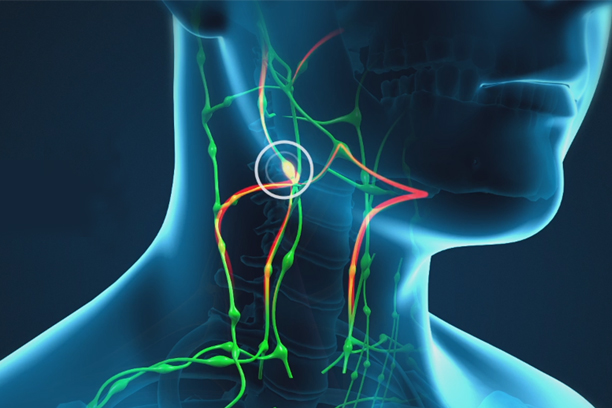
Thoracic cancers commonly spread to lymph nodes within the chest.
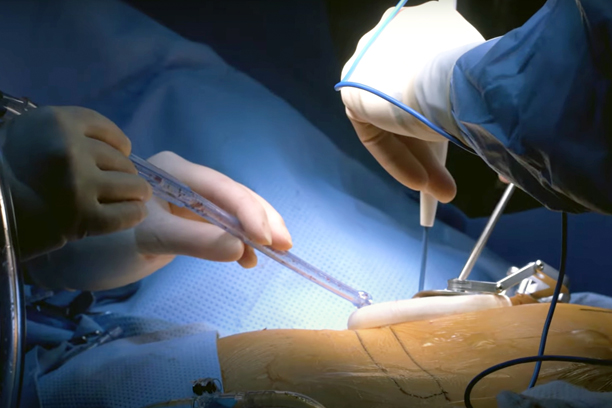
Modern thoracic surgery increasingly uses minimally invasive techniques.