Breast cancer surgery is one of the most important components of breast cancer treatment.
Breast cancer surgery is one of the most important components of breast cancer treatment. The primary aim of surgery is to completely remove the cancer while achieving the best possible cosmetic and functional outcome. The type of surgery depends on the size and stage of the tumor, breast size, lymph node involvement, and patient preference.
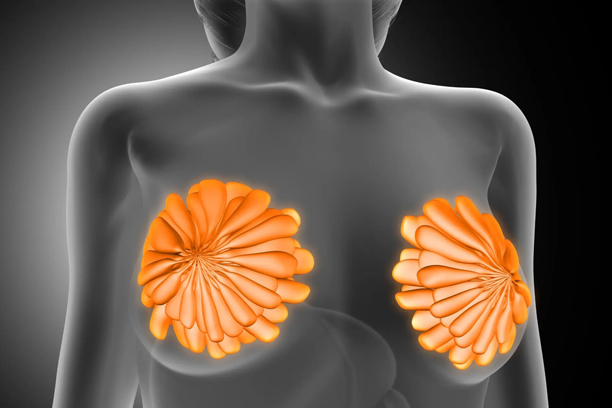
Breast conserving surgery, also known as lumpectomy or wide local excision, involves removal of the cancerous lump along with a margin of surrounding healthy breast tissue while preserving most of the breast.
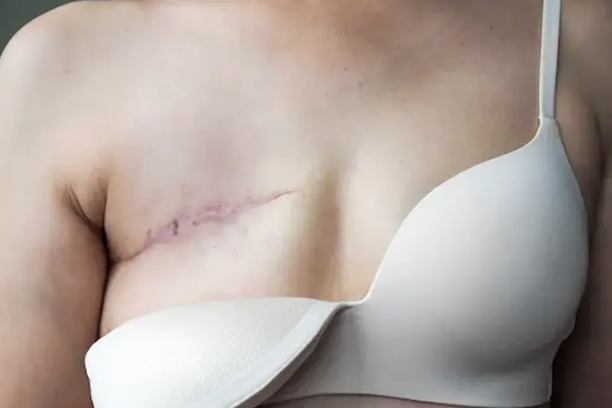
Mastectomy involves removal of the entire breast tissue and is commonly performed for larger tumors, multicentric cancers, or when breast conservation is not suitable.
In this procedure, the entire breast tissue is removed while preserving the chest wall muscles.
Modified radical mastectomy is one of the most commonly performed surgeries for breast cancer.
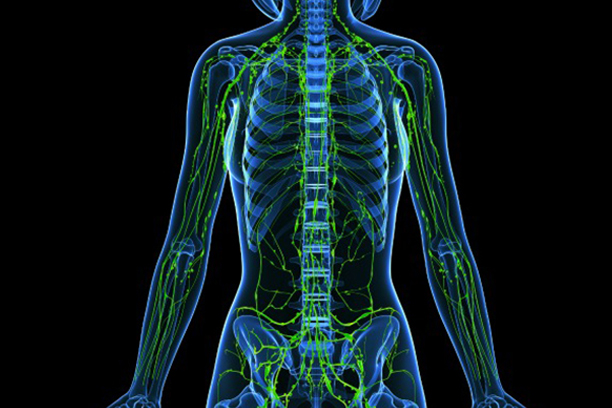
Sentinel lymph node biopsy is a minimally invasive procedure used to evaluate whether breast cancer has spread to lymph nodes.
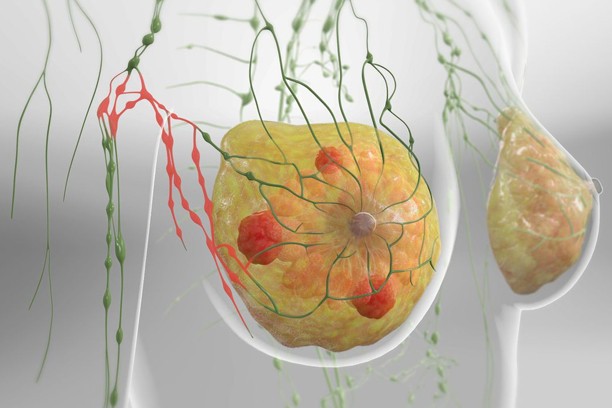
Axillary lymph node dissection involves removal of multiple lymph nodes from the armpit (axilla).
Physiotherapy and early exercises help improve recovery.
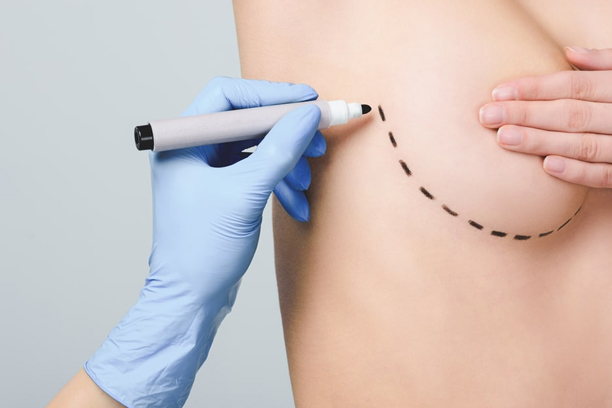
In this technique, the breast tissue is removed while preserving most of the breast skin.

This procedure preserves the nipple and areola while removing underlying breast tissue.

Breast reconstruction is performed to restore breast shape following mastectomy.
A multidisciplinary treatment approach involving surgical oncology, medical oncology, radiation oncology, radiology, and pathology ensures personalized and comprehensive breast cancer care.
Early detection and timely surgical treatment significantly improve outcomes and survival in breast cancer patients.