Head and neck cancer surgery is performed to remove cancer while preserving important functions such as speech, swallowing, breathing, and appearance.
Head and neck cancer surgery is performed to remove cancer while preserving important functions such as speech, swallowing, breathing, and appearance. The type of surgery depends on the location, size, stage of the tumor, and whether lymph nodes are involved.
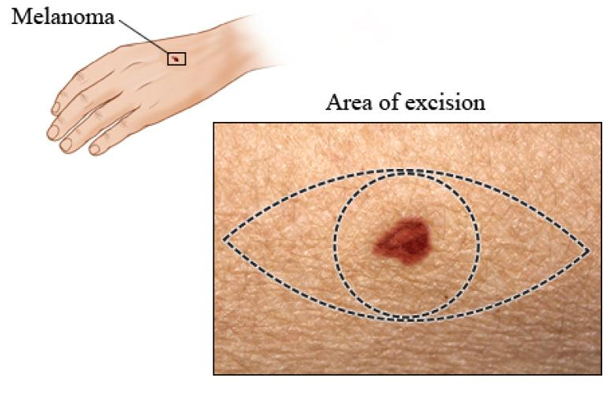
Wide local excision is one of the most commonly performed surgeries for early head and neck cancers, especially cancers of the oral cavity such as the tongue, cheek, gums, and floor of the mouth.
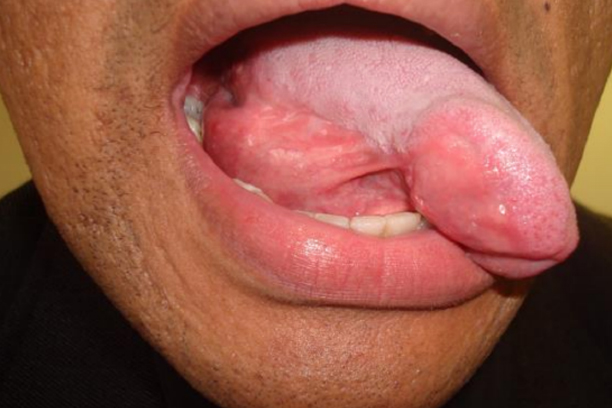
A partial glossectomy involves removal of a portion of the tongue affected by cancer.
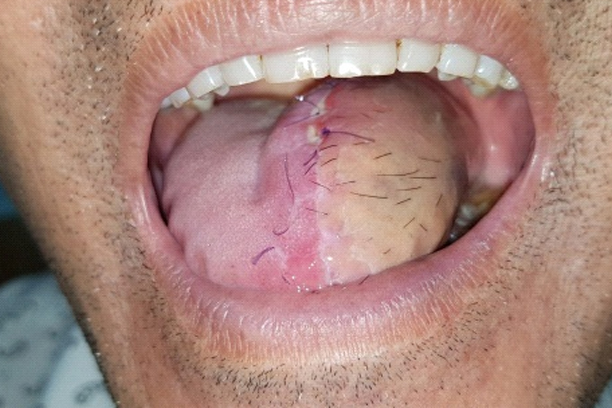
Performed for advanced tongue cancers.
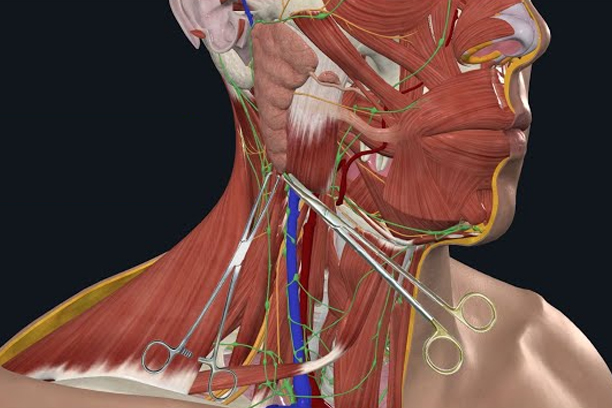
Head and neck cancers commonly spread to lymph nodes in the neck. Neck dissection is performed to remove these lymph nodes.
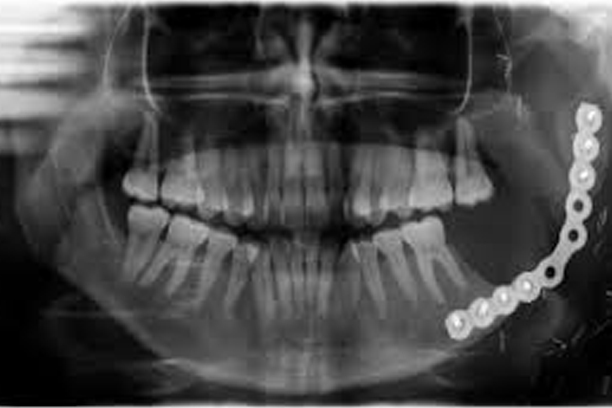
Mandibulectomy is performed when oral cancer involves the jawbone (mandible).
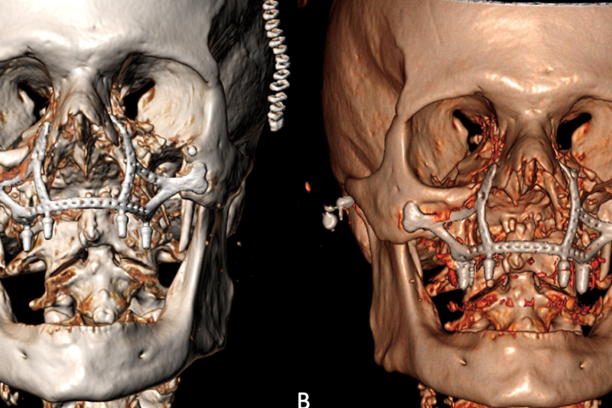
Maxillectomy involves removal of part or all of the upper jaw (maxilla).
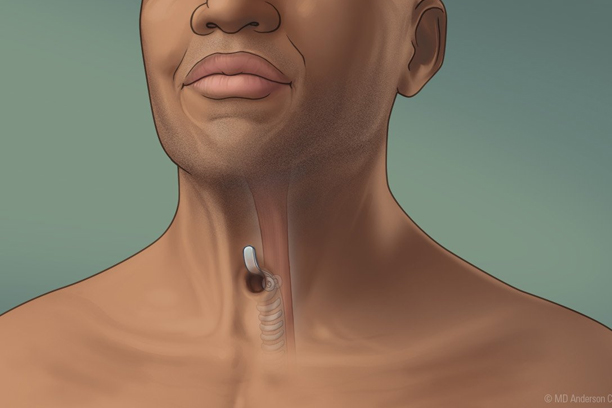
Performed for cancers of the voice box (larynx).
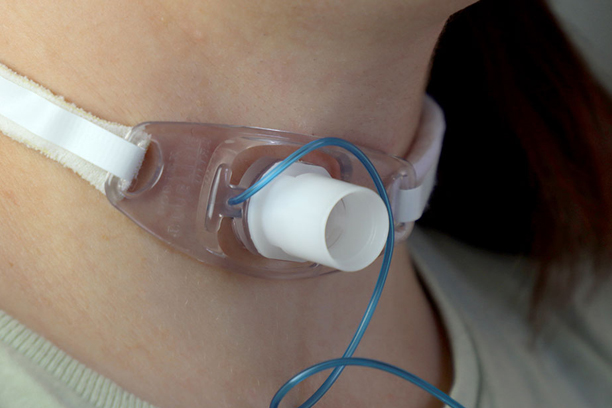
A tracheostomy is a surgical opening created in the neck to help breathing.
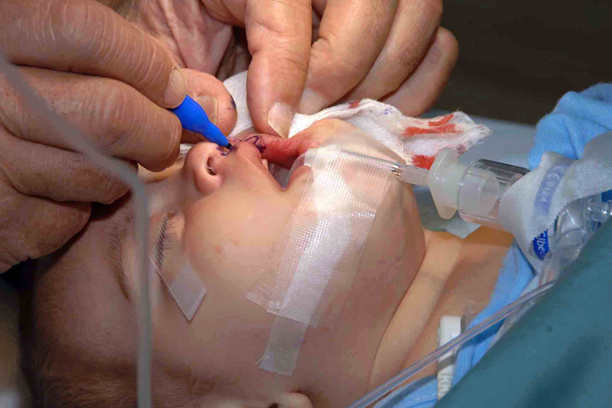
After removal of large tumors, reconstructive surgery helps restore appearance and function.