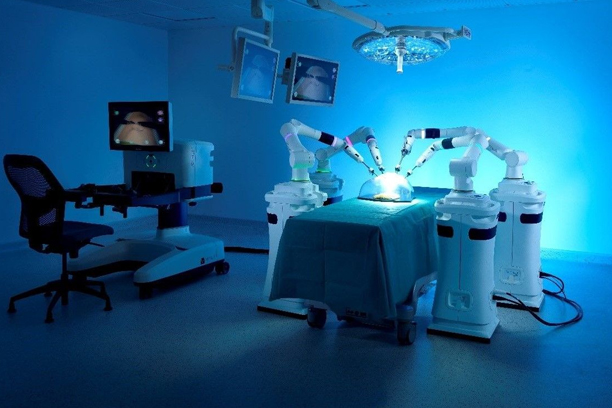
📅 Book Appointment

×

Schedule your consultation

Gynecologic Cancer

Common Gynecologic Cancer Surgeries

Gynecologic cancers include cancers of the ovary, uterus, cervix, vulva, vagina, and fallopian tubes.

Common Gynecologic Cancer Surgeries

Gynecologic cancers include cancers of the ovary, uterus, cervix, vulva, vagina, and fallopian tubes. Surgery plays a major role in diagnosis, staging, and treatment of these cancers. The aim is complete cancer removal while preserving function and improving long-term outcomes whenever possible.
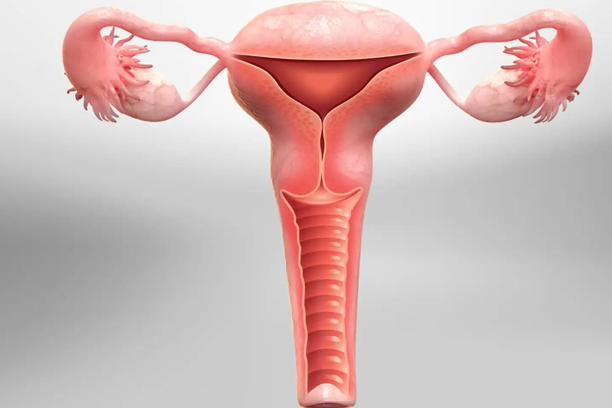
Hysterectomy

Hysterectomy is one of the most commonly performed surgeries in gynecologic oncology.
Types of Hysterectomy:
Total Hysterectomy
  • Removal of the uterus and cervix
Radical Hysterectomy
  • Removal of the uterus, cervix, upper vagina, and surrounding tissues
  • Usually combined with lymph node removal
Commonly Recommended For:
  • Cervical cancer
  • Endometrial (uterine) cancer
  • Selected early gynecologic cancers
Surgical Approaches:
  • Open surgery
  • Laparoscopic surgery
  • Robotic-assisted surgery
Advantages of Minimally Invasive Surgery:
  • Smaller incisions
  • Less postoperative pain
  • Faster recovery
  • Shorter hospital stay

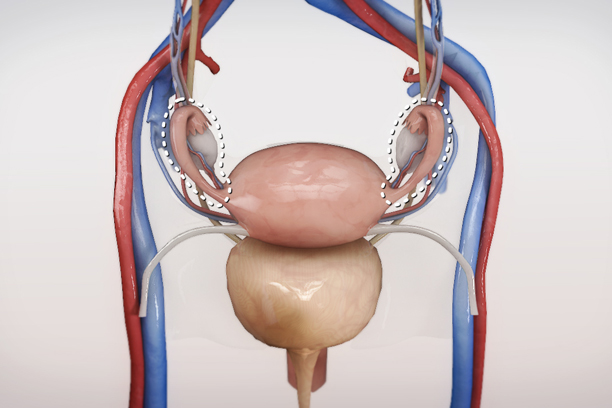
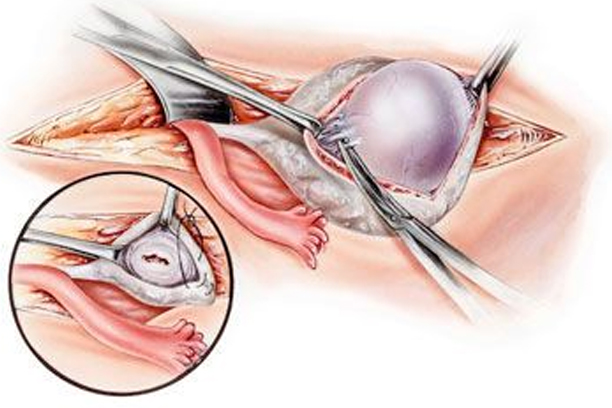
Bilateral Salpingo-Oophorectomy (BSO)

This procedure involves removal of both ovaries and fallopian tubes.
Commonly Performed Along With:
  • Hysterectomy in ovarian and endometrial cancers
Indications:
  • Ovarian cancer
  • Fallopian tube cancer
  • Advanced uterine cancer
  • Preventive surgery in high-risk patients
Purpose:
  • Remove the source of cancer
  • Reduce risk of cancer spread or recurrence

Ovarian Cancer Debulking Surgery

Debulking surgery is the main treatment for many ovarian cancers.

Procedure:

Removal of:

  • Ovaries and fallopian tubes
  • Uterus
  • Omentum (fatty abdominal tissue)
  • Visible tumor deposits within the abdomen
Goal:
  • Remove as much tumor as possible (“optimal cytoreduction”)
Importance:
  • Better outcomes are associated with minimal residual disease after surgery
May Include:
  • Bowel resection
  • Diaphragm surgery
  • Lymph node removal in advanced cases

Lymph Node Dissection

Gynecologic cancers can spread to pelvic and para-aortic lymph nodes.

Procedure:

Removal of lymph nodes for:

  • Cancer staging
  • Detecting spread
  • Treatment planning
Commonly Performed In:
  • Cervical cancer
  • Endometrial cancer
  • Ovarian cancer
Benefits:
  • Helps determine cancer stage accurately
  • Guides need for chemotherapy or radiation therapy

Sentinel Lymph Node Biopsy

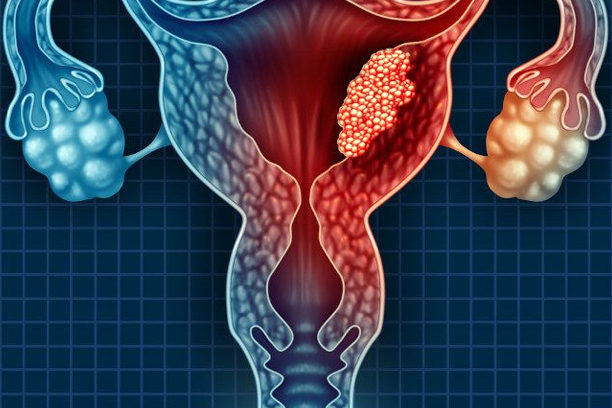
A minimally invasive procedure used in selected gynecologic cancers.
Procedure:
  • The first draining lymph node (“sentinel node”) is identified and removed.
  • If free of cancer, extensive node removal may be avoided.
Advantages:
  • Smaller surgery
  • Reduced risk of leg swelling (lymphedema)
  • Faster recovery
Commonly Used In:
  • Early endometrial cancer
  • Selected cervical cancers

Cervical Cancer Surgery

The type of surgery depends on the stage of cervical cancer.

a) Cone Biopsy (Conization)

Performed mainly for very early cervical cancer or precancerous lesions.

Procedure:
  • A cone-shaped portion of the cervix is removed.
Benefits:
  • Preserves fertility in selected young patients
  • Diagnostic and therapeutic in early disease
b) Radical Hysterectomy

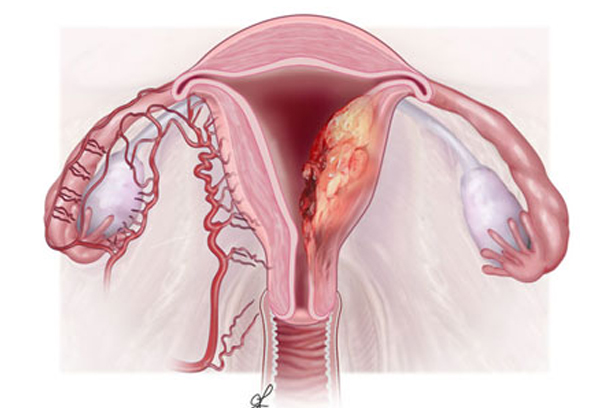
Commonly performed for early-stage cervical cancer.
Procedure:
  • Removal of uterus, cervix, surrounding tissues, upper vagina, and lymph nodes
Goals:
  • Complete cancer removal
  • Prevent local spread

Endometrial Cancer Surgery

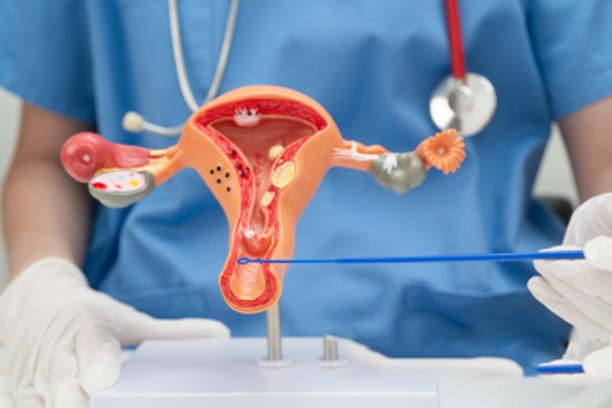
Surgery is the primary treatment for most uterine (endometrial) cancers.
Common Procedure:
  • Total hysterectomy
  • Bilateral salpingo-oophorectomy
  • Sentinel node biopsy or lymph node dissection
Often Performed Minimally Invasively:
  • Laparoscopic or robotic-assisted surgery is commonly used
Benefits:
  • Faster recovery
  • Reduced blood loss
  • Less postoperative pain

Vulvar Cancer Surgery

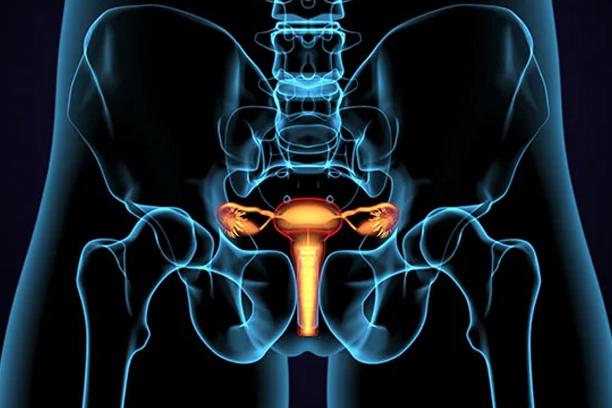
Surgery is commonly used for cancers of the vulva.
Procedures Include:
  • Wide local excision
  • Partial vulvectomy
  • Radical vulvectomy in advanced cases
May Be Combined With:
  • Groin lymph node surgery
Goals:
  • Complete tumor removal
  • Preservation of urinary and sexual function whenever possible

Pelvic Exenteration

A major surgery reserved for selected recurrent or advanced pelvic cancers.

Procedure:

May involve removal of:

  • Uterus
  • Cervix
  • Bladder
  • Rectum
  • Surrounding pelvic organs
Indications:
  • Recurrent cervical or pelvic cancer not responding to other treatments
Purpose:
  • Curative treatment in carefully selected patients

Minimally Invasive & Robotic Gynecologic Cancer Surgery

Advanced laparoscopic and robotic techniques are increasingly used in gynecologic oncology.

Advantages:
  • Smaller incisions
  • Reduced pain
  • Faster recovery
  • Less blood loss
  • Earlier return to normal activities
Commonly Used For:
  • Endometrial cancer
  • Early cervical cancer
  • Selected ovarian tumors

Modern Approach to Gynecologic Cancer Surgery

Current gynecologic cancer surgery focuses on:

Multidisciplinary Gynecologic Cancer Care

Early diagnosis and timely surgical treatment significantly improve outcomes and survival in gynecologic cancers.

Comprehensive gynecologic cancer treatment often involves: